
How Fingerprints Reach Louisiana BCII
Booking staff take fingerprints and transmit identifying arrest information through Louisiana’s criminal-justice network. BCII maintains the central repository and uniform reporting system under R.S. 15:578. Prosecutor and court dispositions should later return to the same fingerprint-linked cycle. Timing delays or identifier mismatches can leave an arrest without a prompt outcome, which is why a certified clerk disposition may be needed to correct a subject’s Right to Review record.
The repository cycle is broader than one parish booking, but it is not an unrestricted public name-search product. Individuals review their own Louisiana history through the fingerprint-based Right to Review process rather than the authorized-agency IBC login.
Which Agency Owns the Arrest Narrative?
The detention center’s acceptance of a person does not transfer custody of the original police report. A sheriff deputy’s report belongs with the Richland Parish Sheriff. A Rayville officer’s report begins with Rayville Police at 109 Benedette Street and 318-728-2011. A Delhi arrest narrative must be requested from Delhi police or the town channel, even if the person later appears in the parish roster. Mangham requests begin with the municipal office at P.O. Box 94 and 318-248-2170. A trooper’s arrest or crash material remains with Louisiana State Police.
Start by recording the arresting agency displayed in the booking entry. Ask that agency for the incident or arrest report by event number, date, time, location, and involved person. The report may contain probable-cause facts, officer identity, witnesses, property or evidence, and the initial alleged offense, subject to public-record exceptions. Ask the jail separately for booking number, intake time, intake charges, bond or hold, and release or transfer status. Ask the clerk for the later filed charge, plea, disposition, and sentence. Those three requests are complementary rather than duplicates.
Louisiana Public Records Law allows redaction or withholding where another law protects active investigative material, juveniles, victims, medical or security details, or personal identifiers. A focused request helps the custodian identify a segregable public portion. The sheriff’s inspected request page did not publish its form fields, fees, or response estimate, so include a request for cost before duplication and state whether electronic inspection is acceptable. Keep the incident and booking numbers because they allow the jail, agency, and court records to be matched without relying on a common name alone.
Arrest Records in Richland Parish
An arresting officer creates the incident or arrest report. The jail creates a separate booking entry after accepting a person, confirming authority to detain, inventorying property, photographing and fingerprinting, recording initial charges and holds, screening health needs, and assigning housing. The district attorney decides what charges to file, and the clerk preserves the court outcome. BCII later associates reported cycles and dispositions with fingerprint identity.
That division explains why names, charges, and status can differ between sources without proving an error. A booking is evidence of processing, not guilt. An individual may be released, transferred, never formally charged, acquitted, or have charges dismissed. Historical completeness requires more than a current roster.
Finding a Recent Booking Through the Sheriff
The official Richland Parish Sheriff Inmates page is the first local current-custody channel. Its roster component was client-rendered during research, so visible fields and update behavior should be checked live.
The gateway is useful for a recent booking, but an empty result does not prove no arrest occurred. A person may have been released, transferred, booked under a name variation, held elsewhere, or not yet appeared in the feed.
Richland Parish Arrest Lookups
Follow every relevant channel, using exact spelling, aliases, approximate date, date of birth when lawfully available, booking number, and arresting agency:
- Check the sheriff inmate gateway for current or recent local custody.
- Repeat the search in LA VINE by name or offender/booking ID; searching is free and an account is optional unless registering for notifications.
- Call the male or female Richland Parish Detention Center at 318-248-3057 to confirm current custody, release, or transfer.
- Identify the arresting agency and request its incident narrative: RPSO, Rayville Police, Delhi Police, Mangham Police, or Louisiana State Police as applicable.
- Use the sheriff’s Public Records Request page or Julia Street counter for sheriff reports and historical booking detail not exposed online.
- Call the Richland Parish Clerk at 318-728-4171 for a filed prosecution, charge-level disposition, judgment, or sentence.
- For your own statewide fingerprint-linked record, use Louisiana State Police BCII Right to Review through LAPS or the mail process.
State-sentenced custody uses LA VINE and the DPS&C Imprisoned Person Locator line at 225-383-4580. Federal custody uses the BOP locator; neither replaces the parish booking search.
LA VINE’s Roster Refresh and Notifications
LA VINE is the resilient statewide fallback when the parish widget does not load. LCLE reports that VINE roster data refreshes every 30 minutes, so even a live-looking result can lag. Common controls include jurisdiction, Name search with first and last name, and ID Number search. Buttons include Search and Clear or Reset. Results may offer notification registration; telephone notices require contact details and a PIN.
LA VINE is designed for custody status and notification, not a complete lifetime arrest record. Recheck a no-result with the detention center and the agency that made the arrest.
Arrest Records: What They Contain
A sheriff or police report can include an event number, date, time, place, officer and agency, probable-cause narrative, identifiers, alleged statutes, warrant information, property or evidence, transport destination, and protected victim or witness sections. A booking entry adds intake facts. Exact public fields depend on the contributing agency, system, and lawful redactions.
| Booking Number | Facility identifier used to distinguish one intake event. |
|---|---|
| Booking Date & Time | When detention staff accepted and processed the person. |
| Arresting Agency | The sheriff, town police, state police, or another agency that owns the narrative. |
| Charges | Initial allegations and statutes, which can change after prosecutor review. |
| Bond | Amount, type, hold, or court-set conditions when published. |
| Mugshot Policy | Booking photo where lawfully releasable; qualifying expungement can remove covered images from public access. |
| Release Status | In custody, released, transferred, or moved to state custody, subject to reporting lag. |
The Two Highway 15 Detention Centers
DPS&C’s official Richland Parish directory lists the male detention center at 474 Highway 15 and the female detention center at 414 Highway 15, both in Rayville. Both use 318-248-3057 and fax 318-248-3084.
No official capacity, lobby hours, visitation vendor, release-door procedure, or unit layout was located. Call before traveling and obtain the booking or ID number before attempting mail, funds, or other custody arrangements.
Recent Richland Parish Bookings
The sheriff does not publish a text-accessible daily blotter archive. The roster, LA VINE, phone confirmation, and formal request form the reliable chain. Sheriff news, Most Wanted, and app announcements may describe selected events, but they are not a complete booking log or arrest history.
A recent-search workflow is to check the inmate page, repeat in LA VINE, call the jail, identify the arresting agency, request its report, then check the clerk after district-attorney screening. If the arrest was by Rayville Police, its narrative belongs to Rayville PD at 109 Benedette Street, 318-728-2011. Delhi requests begin with town police; Mangham routes through its municipal office at 318-248-2170. A later booking at the parish jail does not transfer ownership of the police narrative to the sheriff.
Timing also changes what each channel can show. The jail can record intake before the district attorney has selected the filed counts, while the clerk may have no docket until a charging instrument arrives. Recheck after screening when the purpose is to understand the allegation’s outcome. If the person has already left local custody, ask whether the status was release, transfer, or movement into state custody. Preserve the booking number and exact dates because those identifiers make later report and court requests much more precise.
The Sheriff’s Public-Records and App Shortcuts
The official Public Records Request page supports requests for sheriff-created material. Its embedded fields were not server-rendered during inspection, and no fee schedule, email, fax route, or processing promise was published.
A focused request should state the event, approximate date and time, location, agency, desired report or booking record, and known incident, arrest, booking, warrant, or case number. Ask for an estimate and whether electronic inspection is available. The Julia Street office at 708 Julia Street, Suite 113, Rayville, 318-728-2071, is the phone and counter fallback. Published hours are Monday through Thursday 7:30 a.m.–5:00 p.m. and Friday 7:30–11:30 a.m.
The sheriff also links an OCV app from the OCV platform. Its visible shortcuts include Inmates, Sex Offenders, Public Records Request, alerts, tips, news, payments, and Most Wanted. These are convenient routes to the same official functions, not a separate historical database.
State Prison and Federal Custody Are Separate
The DPS&C inmate information channel concerns sentenced state custody and supplements LA VINE with the locator phone line.
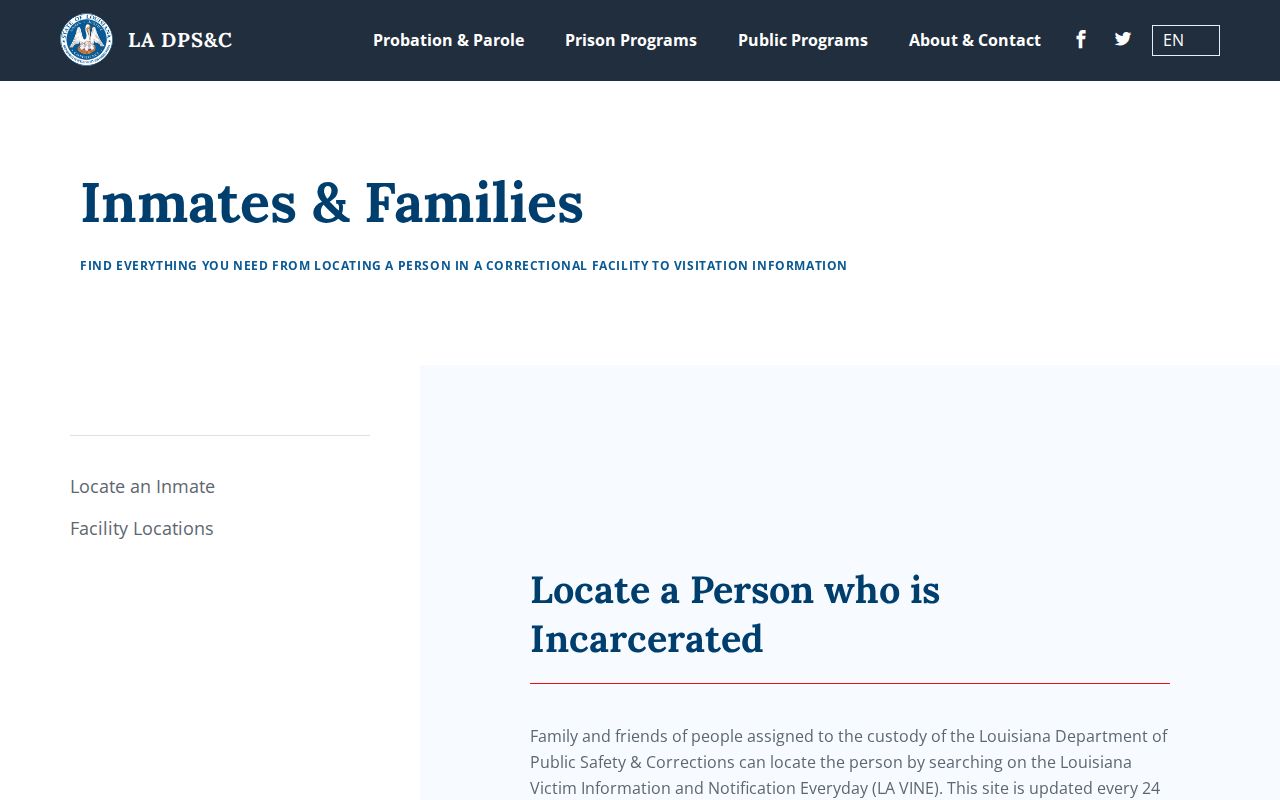
A state-prison no-result says nothing conclusive about a current Richland booking, just as a local roster cannot describe every state sentence or supervision file.
The Federal Bureau of Prisons locator covers federal custody and releases.
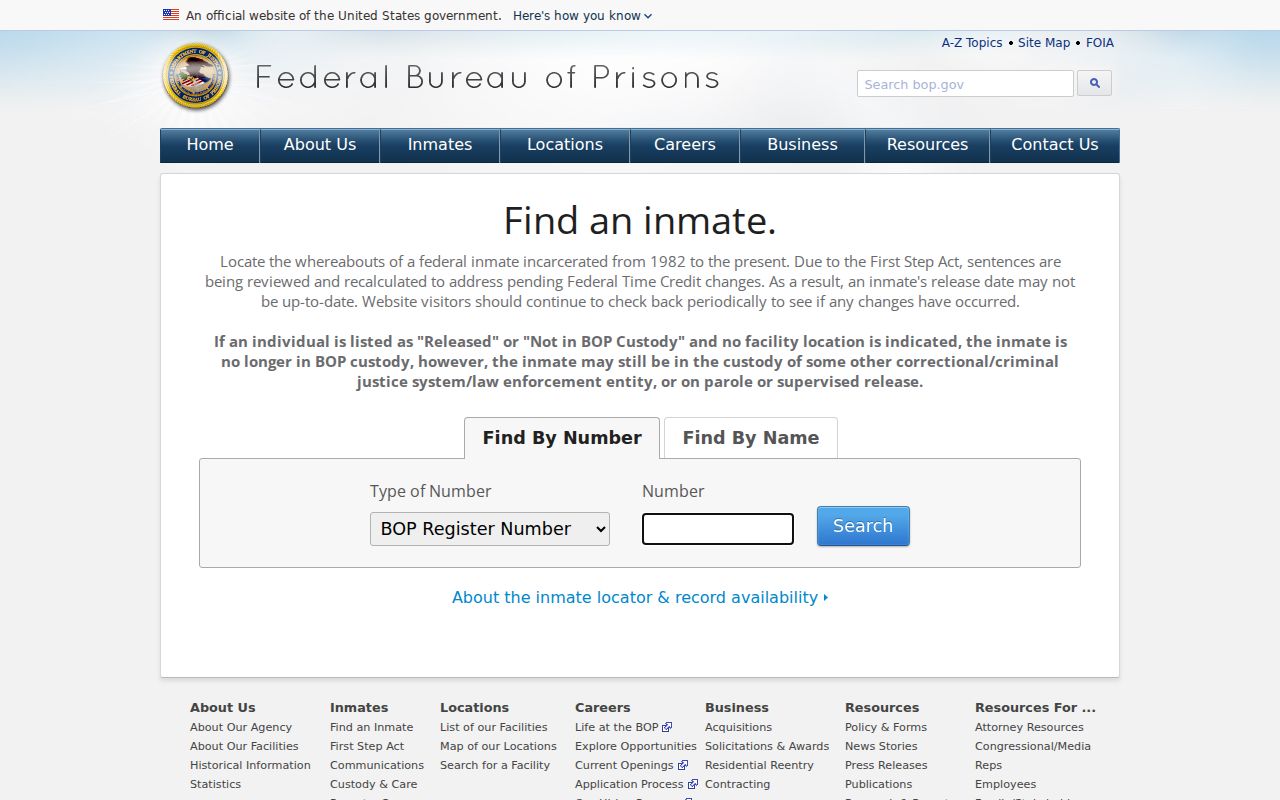
Federal detainees can be held in contract or local facilities, so a BOP no-result is not always conclusive. PACER supplies Western District of Louisiana case dockets, while the Richland clerk supplies local 5th JDC cases.
Arrest Records vs Conviction Records
| Arrest Record | Conviction Record |
|---|---|
| Created by the arresting agency and jail. | Created through a court judgment and preserved by the clerk. |
| Shows an allegation and that booking occurred. | Shows a finding of guilt after plea or trial. |
| Lives with police, sheriff, jail, and reported BCII cycle. | Lives in the clerk file and reported repository disposition. |
| May end in release, no filing, dismissal, or acquittal. | May lead to sentence, appeal, and qualifying expungement. |
Note: An arrest is not proof of guilt. Booking charges are allegations and may never become filed charges or may end in dismissal or acquittal.
If your own BCII record still lacks a disposition, obtain a certified judgment or dismissal from the clerk and use BCII’s challenge instructions. A dismissal alone does not remove every public arrest record; Louisiana expungement is a separate court process.